
Pittsburgh Traffic Congestion Is Worse Than Ever, New Report Shows
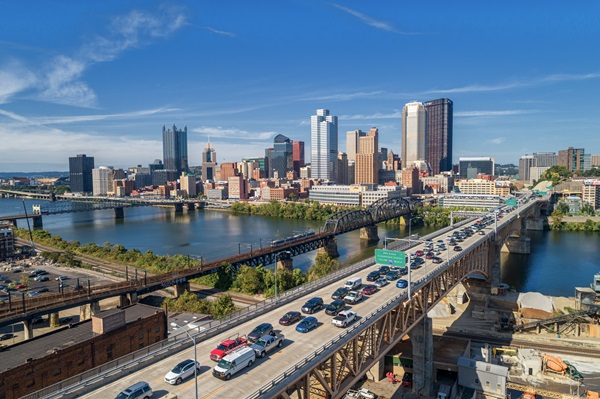
Traffic in Pittsburgh isn’t just frustrating — it’s becoming dangerous
Traffic congestion in Pittsburgh is worse than ever, according to a new nationwide traffic study by the Texas A&M Transportation Institute.
“Traffic is getting worse in metro Pittsburgh — drivers now spend nearly 18% more time stuck in congestion than before the pandemic, a new report finds,” says Axios Pittsburgh.
So, just how bad is traffic in Pittsburgh? How does Pittsburgh’s traffic compare to other cities around the country? What makes traffic so dangerous? And what types of accidents are often caused by traffic? Our Pittsburgh car accident lawyers break down what you should know.
How Bad Is Traffic Congestion In Pittsburgh?
Pittsburgh drivers spend 18 percent more time in traffic than they did five years ago. Specifically, the average Pittsburgh driver spent 53 hours a year in traffic in 2024, according to the Texas A&M study.
According to the study’s authors, Pittsburgh’s traffic is worse now due to a familiar headache. As traffic rebounds from its pandemic lull, Western Pennsylvania's web of bridges and tunnels creates chronic chokepoints, Axios Pittsburgh reported.
Other findings about Pittsburgh’s traffic include:
- Pittsburgh commuters wasted 17 million gallons of gas (20 gallons per driver) sitting in traffic in 2024.
- The average driver lost $1,450 in wasted gas and productivity due to traffic congestion.
- Traffic was heaviest on weekdays from 7 to 9 am and 2 to 6 pm.
How Does Pittsburgh’s Traffic Compare To Other Cities?
While traffic is bad in Pittsburgh, many other cities have worse traffic congestion. Nationwide, the average commuter spent 63 hours in traffic last year, according to the Texas A&M study.
Compared to other cities, Pittsburgh ranks 32nd out of 50 in the country for traffic congestion, according to the Pittsburgh Business Times.
Another study ranked Pittsburgh 46th out of 100 cities for worst traffic congestion, according to CBS News, based on a WalletHub study.
What Makes Traffic Dangerous For Drivers?
Heavy traffic increases the risk of collisions because drivers have less space, less time, and far more distractions in a short period. Stop-and-go conditions lead to constant braking, merging, and lane changes, all of which increase the risk of errors and accidents.
In dense urban areas like downtown Pittsburgh or along I-376, one small mistake can quickly turn into a multi-car pileup. Common factors that make traffic especially dangerous include:
- Reduced reaction time – Vehicles travel close together, giving drivers little room to stop or maneuver safely.
- Frequent lane changes – Impatient or aggressive drivers dart between lanes to save seconds, creating dangerous blind-spot conflicts.
- Driver fatigue and frustration – Long commutes lead to stress and reduced focus, which often cause judgment errors.
- Distracted driving – Cell phones, GPS systems, and in-car entertainment pull attention from the road, which can be disastrous in heavy traffic.
- Sudden slowdowns – Heavy congestion often results in unpredictable braking that catches unaware drivers off guard.
Traffic doesn’t cause accidents. Drivers do. When visibility is low, space is limited, and attention is divided, a split-second lapse can lead to a serious collision. That’s why defensive driving and patience are critical when navigating Pittsburgh’s busiest routes.
Types of Car Accidents Common in Heavy Traffic
Gridlock and congestion create the perfect conditions for certain types of crashes. With drivers constantly stopping, starting, and changing lanes, even a minor distraction can cause a significant wreck. These collisions often happen at lower speeds but still lead to serious injuries and costly vehicle damage.
Some of the most common car accidents in heavy Pittsburgh traffic include:
- Rear-end collisions – The most frequent type of traffic crash, often caused by following too closely or failing to brake in time.
- Sideswipe accidents – Occur when drivers attempt to merge or switch lanes without checking blind spots.
- Chain-reaction crashes – One impact triggers multiple collisions in congested conditions, especially on bridges or tunnels.
- Intersection crashes – Drivers rushing through yellow or red lights in heavy traffic often collide with crossing vehicles.
- Low-speed fender benders – Even small bumps in traffic can cause whiplash or aggravate pre-existing injuries.
While these accidents may seem minor, they can cause chronic pain, lost income, and mounting medical bills due to ongoing medical care. Whatever type of accident you’re dealing with due to traffic congestion, make sure you have a lawyer on your side to help every step of the way.
We're the Team to Call When You Need to Win
Car accidents caused by another driver in heavy traffic in Pittsburgh might seem straightforward at first. But many times, such accidents quickly turn into complicated legal cases. That’s why it’s critical that you have an experienced Pittsburgh car accident lawyer on your side, looking out for your best interests.
At Romanow Law Group, we've been fighting for the rights of accident victims for years. Our results speak for themselves, including one car accident case in which we recovered $1,099,500 for a client.
Get the law firm that's Pittsburgh tough. Contact us and schedule a free consultation with a Pittsburgh car accident attorney who doesn't back down from a fight.
“I have had direct access to David and his team at all times and have worked directly with an attorney and not a secretary or paralegal. Do yourself a favor and get the Romanow Law Group on your side and let them handle it.” – Brian S., car accident claim, ⭐⭐⭐⭐⭐