
Side-Impact Collisions Often Lead to Head Injuries
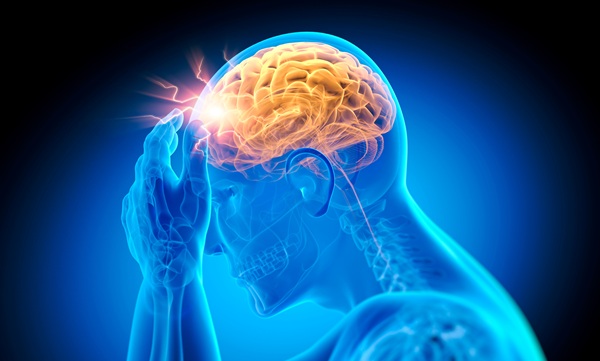
Imagine you’re in a side-impact car accident. The impact from the side comes out of nowhere, and before you have time to react, your head snaps sideways, and the world turns into broken glass and ringing ears.
March is Brain Injury Awareness Month, and at Romanow Law Group, we see how often side‑impact collisions in Pittsburgh leave people with head and brain injuries that are far more serious than a bump on the head. A T‑bone crash can turn an ordinary drive to work or a trip down I‑376 into a life‑changing injury that affects your memory, balance, mood, and ability to earn a living.
Why Side‑Impact Collisions Are So Dangerous For Your Head
Side‑impact crashes are different from rear‑end or head‑on collisions because there is simply less space and structure between you and the striking vehicle. The side of a car has far less metal, crumple zone, and padding to absorb the impact than the front or rear.
In a T‑bone crash, the other vehicle’s front end can drive directly into your door area, which sends powerful forces straight into your body and head. Even at lower speeds, a side‑impact collision can cause your head to whip sideways and then rebound back again. That lateral motion makes your brain move and twist inside your skull, which is a common setup for concussions and more severe traumatic brain injuries.
When the crash happens at an intersection, near a highway entrance, or in city traffic, the striking driver is often traveling fast enough that the force is magnified, especially if there is no side curtain airbag to cushion the blow.
How Side‑Impact Crashes Cause Head And Brain Injuries
To understand what happens in your head during a side‑impact collision, it helps to look inside the skull. These injuries often come from both direct impact and rapid motion. Examples include:
- Concussions when the brain moves suddenly and hits the inner skull, even without visible head wounds
- Contusions or bruises where the brain collides with bony ridges inside the skull on the side of impact
- Diffuse axonal injuries caused by the brain twisting and stretching nerve fibers during the sideways whipping motion
- Skull fractures from direct impact with the door frame, window, or intruding vehicle parts
- Intracranial hemorrhages, such as subdural or epidural hematomas, where bleeding builds pressure inside the skull
What Factors Make A Side‑Impact Crash More Likely To Cause A Head Injury?
Not every T‑bone or side‑impact collision is the same. Certain conditions make serious head injuries more likely. These issues often show up in the Pittsburgh crashes we see:
- High‑speed impact, especially when a driver runs a red light or stop sign at an intersection
- A striking vehicle hitting the driver’s side directly instead of glancing off
- Lack of side curtain airbags or failure of airbags to deploy properly
- Older vehicles with weaker side structures or no advanced side‑impact protection
- Occupants sitting close to the door, including children or smaller adults whose heads line up with the window
When these factors are present, the chances of the head striking a hard surface or being subjected to violent sideways motion go up dramatically. That’s why we often see serious head injuries even when the rest of the car doesn’t look completely destroyed.
An Example Of A Side‑Impact Head Injury
Picture a driver traveling through a green light in downtown Pittsburgh when another vehicle speeds through a red light and slams into the driver’s side door. There’s no time to brake or swerve. The impact shoves the driver’s car sideways, and their head hits the window and B‑pillar with a sharp crack. The side airbag deploys, but the blow has already landed. At the scene, the driver feels dazed but insists on handling things with the police and going home.
Later that night, a pounding headache sets in, along with dizziness and nausea. The next day, the driver tries to return to work but struggles to focus on emails and forgets instructions during a simple meeting. Their family notices they’re unusually irritable and sensitive to noise. A hospital visit reveals a concussion and a small subdural hematoma. Suddenly, what seemed like “just a bad crash” has become a brain injury that could keep them out of work and in treatment for months.
What Symptoms Should I Watch For After A Side‑Impact Crash?
After any T‑bone or side‑impact collision, it’s important to pay attention to changes in how you feel and function, especially in the first few days. National concussion and TBI guidelines emphasize that symptoms can appear right away or develop over time.
Warning Signs Of Head And Brain Injury After A Side‑Impact Collision
These symptoms should never be ignored:
- Headaches, pressure in the head, or neck pain that appears after the crash
- Dizziness, balance problems, or feeling unsteady on your feet
- Nausea, vomiting, or changes in vision such as blurred or double vision
- Confusion, trouble concentrating, or feeling mentally “foggy”
- Memory gaps surrounding the crash or difficulty remembering new information
- Slurred speech, weakness, numbness, or coordination problems in arms or legs
- Sensitivity to light or noise, ringing in the ears, or unusual fatigue
- Mood changes, anxiety, depression, irritability, or personality shifts
If these symptoms worsen or if you notice red flags such as repeated vomiting, seizures, inability to wake up, or one pupil larger than the other, that can indicate dangerous bleeding or swelling in the brain and requires emergency care right away.
Why Medical Care And Legal Help Both Matter
From a medical standpoint, getting evaluated after a side‑impact crash helps detect brain injuries early, start treatment, and prevent complications. From a legal standpoint, that same evaluation creates a record connecting your symptoms to the collision.
The legal team at Romanow Law Group takes side‑impact collisions seriously from day one. We look at where your car was hit, how far the door was pushed in, whether airbags deployed, and what your medical records show about head trauma. We often work with medical professionals to explain how the forces in your crash likely caused your head injury.
Contact us to book a free consultation with our Pittsburgh car accident attorneys. We’ll listen closely to how the injury is affecting you, not just what is written in a chart. Plus, we work on a contingency fee basis. That means there are no upfront or out-of-pocket costs, and you pay nothing unless we win your case.
“They represented me in my auto accident, and they were professional. They do not sugarcoat anything, and they work hard and go beyond.” – S.B., ⭐⭐⭐⭐⭐